| Aloe
vera is perhaps the most genuine and versatile cure-all plant there is,
offering a plethora of health benefits - the word 'vera' after all,
does mean true or genuine. In the past, it was considered to be the
plant of immortality by the Egyptians, and has been used since time
immemorial for its soothing and curing properties. |
|
|
|
The Aloe vera plant is
luscious with thick, fleshy stems and spiny leaves. The plant's
miraculous benefits are located within the stems, which contain aloe
juice and gel - a substance that is used in numerous medicinal,
cosmetic, and health treatments. |
|
Aloe vera juice can be bought
(preferably organic, and pure) from a health shop or a well-stocked
supermarket. Alternatively, if you've got a couple of plants at home,
you can just as easily make your own juice. |

|
|
Making Aloe Vera Juice |
|
|
What Makes Aloe Vera so Nutritious? |
|
Aloe vera (both juice and
gel) is packed with antioxidants and antibiotics and works as
stimulators of cell growth. It also has scar and pain inhibitor
properties. The entire leaf is at times used to treat ulcerative
colitis, metastatic cancer, infectious disease and chemotherapy
treatment. The plant is also rich in the following vitamins and
minerals, making it a highly nutritious ingredient. |
|

|
| source |
|
15 Health Benefits of Aloe Vera |
|
Aloe juice can be consumed
internally, or applied on the skin and hair. It is also a general health
tonic that you can consume every morning to reap all of its benefits. |
|
1. Use it to cure bowel problems |
|
Due to its high
anti-inflammatory properties, aloe vera is just the thing to take if you
suffer from bowel problems. It promotes good bacteria in the gut and
keeps all digestive disorders at bay. |
|
2. Use it to treat Rheumatoid Arthritis |
|
This auto-immune disease
attacks the body tissues, especially the membranes lining the joints,
causing inflammation and stiffness. Drinking aloe juice for two weeks
however, can help reduce inflammation in the body. Aloe also contains
anti-inflammatory compounds that help to reduce the pain and stiffness
to a great extent. |
|
3. Use it to treat acid reflux |
|
If you suffer from severe
digestive problems, drinking aloe vera juice reduces the symptoms of
acid reflux, and stabilizes the alkaline levels of the body. Aloe juice
has a soothing effect on stomach walls and reduces heart burn and
discomfort. It is also an ideal treatment for constipation, due to its
laxative properties. |
|
- Advertisement -
|
|
4. Use it to reduce cholesterol levels |
|
To keep your cholesterol
levels in check, as well as increase levels of good cholesterol, include
fresh aloe juice in your daily diet. |
|
5. Use it to regulate blood sugar levels |
|
When consumed regularly, aloe
vera helps to regulate blood sugar levels. On this note though, it is
important to consult with your doctor, for the correct dosage. Often
times, aloe can interfere with the medicines that you take to curb blood
sugar. |
|
6. Use it to relieve sinus and chest congestion |
|
If you tend to suffer from
constant sinus problems, opt for aloe vera. It is rich in magnesium
lactate that works as an antihistamine, which helps in reducing the
problems of sinus and chest inflammation due to various allergies. |
|
7. Use it to help fight cancer |
|
Aloe juice contains high levels of anti-carcinogenic properties that hinder the growth of tumors. |
|
8. Use it to build immunity |
|
Consuming aloe juice on a
regular basis, replenishes the amino acid deficiency in your body. Due
to its high vitamin content, aloe boosts your body's immune system and
self-defense mechanism. |

|
|
9. Use it to fight the common cold and cough |
|
Aloe juice is the best
natural solution for anyone who suffers regularly from colds, coughs,
flu, stuffy nose, bronchitis and other respiratory disorders. Aloe
contains a good dose of Vitamin C, which ensures protection from common
colds that occur with environmental changes. |
|
10. Use it to combat signs of ageing |
|
Aloe contains anti-ageing
properties, keeping the skin supple and rejuvenated. It also lightens
blemishes. The gel can be rubbed directly on your face. |
|
11. Use it to remove dead cells and stretch marks |
|
Aloe vera moisturizes the
skin, and helps to remove dead cells, wrinkles and fine lines. The juice
may also be used to remove stretch marks. |
|
12. Use it to heal wounds |
|
The blend may be used to heal cuts and wounds. It can also be used for dermatitis and insect bites when applied externally. |
|
13. Use it to reduce eye irritation |
|
It's easy to create your own
natural eye wash with aloe vera gel - just mix 2 teaspoons of aloe gel
in a cup of water. You can also add a teaspoon of boric acid. It's also
the perfect remedy to reduce reddening and irritation in the eyes. |
|
14. Use it to maintain gum health |
|
Fresh aloe vera gel can be
directly applied to the gums, reducing pain and inflammation. It can
also be used to treat gum bleeding, caused by bacterial infection. |
|
15. Use it to promote healthy weight loss |
|
If you'd like to lose weight
naturally, try aloe vera - an easy and natural weight loss solution that
reduces weight by stabilizing the metabolic rate, reducing the lipid
levels, and helping burn fat. |
|
Disclaimer:
You should not consume more than 4 ounces of aloe vera juice per day.
Excess intake of aloe vera can cause nausea and liver inflammation. It
should also be taken with caution when taken with water
pills, diuretics, and blood sugar lowering drugs. If any feelings of
discomfort arise upon taking aloe vera, report to your doctor - some
people may face allergic reactions. |

This blog contains lots of articles and world news. Its aim is to be a source of knowledge for people to read and think, and thus make an intuitive decision on how to lead their lives fruitfully in every-day livings.Under the concept of Today-Readers are Tomorrow Leaders.' The world will be better because we begin to change for the best.
วันเสาร์ที่ 24 ตุลาคม พ.ศ. 2558


วันอังคารที่ 20 ตุลาคม พ.ศ. 2558
Easily Restore and Refurbish Old Furniture
Source: Sam O.
Like everything else in life, our furniture cannot escape the hands of time. Be it the coffee table with its water-rings, our cupboard that has become lackluster, or the sofa pillows that look disheveled. While most people take these as a sign for “Out with the old, in with the new!”, you can save a lot of time and money by following these 14 simple tips that will restore your furniture to its former glory.
1. Cover scratches in wood using walnuts or ground coffee
|
 |
You’ll need to get a cotton swab, dip it in moist coffee grounds, and then apply it to the scratches in the wood. Wait for about 10 minutes and wipe the surface with a dry cotton towel. This works mainly for darker wood furniture. For light-colored wood, simply rub a walnut over the scratched area and let it sit for a few moments before wiping it with a dry cloth.
2. Remove stains from wood with oil and vinegar
|
 |
If your wooden furniture has stains that won’t go away, prepare a solution of ¼ cup of canola oil and ¾ cup of white vinegar. Mix the solution well and apply it to the stained surface with a cotton or microfiber cloth. After a few minutes, you’ll notice that the stains are fading away, and the old furniture regains its luster.
3. Fix cracks in the varnish with nail polish and sandpaper
|
 |
If your wooden furniture’s varnish was damaged, but the paint is still intact, you can fix it with clear nail polish. Apply the nail polish to the damaged area and let it dry for about 10 minutes. Afterwards, use fine sandpaper to flatten the area until it shines again.
4. Make old furniture look new again with wallpaper

Some furniture becomes damaged beyond conventional repair, be it from scratches or deep stains. A great solution is to cover the surfaces with wallpaper, giving the piece a new, chic look. Simply cut the wallpaper to match the surfaces, apply wood glue to the wood using a brush and gently place the wallpaper on it. Once it has been set, use a ruler to push any air bubbles that may have gotten trapped underneath the wallpaper.
5. Polish and shine wooden furniture with olive oil
|
 |
If your wooden furniture has lost its shine from years of use or sun-damage, you can give it a cheap, non-toxic polish that will protect the wood and make it shine again. All you need to do is apply olive oil on the wood, using a microfiber cloth and watch how the old piece shines like new again.
6. Remove water rings with mayonnaise
|
 |
Not everyone likes coasters, and the results are often unsightly water rings on your coffee table. What most people don’t know is that the solution is very simple: apply mayonnaise on the stain and leave it there for about half an hour. Once you wipe it off, you’ll see that the stain is gone.
7. Bleach plastic garden furniture

The longer plastic furniture stays outside, the more stains and sun damage become visible upon it. Before you decide to throw the old thing in the garbage, try bleaching it first: Fill a bucket with hot water, pour in ¼ cup of bleach and scrub the piece. Make sure to wear gloves, as bleach is not good for your skin. Once you’re done, wipe the whole thing with a piece of cloth. (Better use a white one because a colored one will become bleached).
8. Bring life back to leather with WD40
|
 |
Your favorite leather couch or La-Z-Boy may have collected many stains during the years. The good news is that leather can look like new, simply by spraying it with WD40 (a lubricant). After spraying, wipe the WD40 off with a dry cloth to remove any stains and grime.
9. Restore wood paint with coconut oil
|
 |
If you have an old piece of wooden furniture that has lost much of its color, you don’t have to repaint it. Use a small amount of coconut oil and dab it on the piece, and then rub it into the wood in circular motions. You’ll notice how the deep color returns and the oil adds a layer of protection to the wood.
10. Fix dents with water and an iron
|
 |
Wooden furniture can get dented easily, and these dents often feel like there’s nothing you can do about them. However, there is a technique for fixing dents in wood, which takes some time but works wonders: First, pour water over the dented area. Place a kitchen towel or an old shirt over the area, and place the hot iron over the towel. The heat will cause the water to be absorbed into the wood, causing the wood to swell. After a few minutes, check the area and repeat if necessary. Once the dent is barely visible, use sandpaper to smooth the area out.
11. Use a furniture repair marker

In cases of deeper cracks and scratches, or when there’s a particularly stubborn stain in the wood, you can use a special repair marker. Make sure that the marker matches the color of the piece and lightly apply it to the affected area. Take care not to apply the marker to areas that don’t require fixing.
12. Use hair conditioner to buff stainless steel
|
 |
By rubbing hair conditioner on to stainless steel surfaces using a damp cloth, you will be able to restore its shine with ease.
13. Restore squashed sofa pillows
|
 |
The longer you use them, the more your sofa’s pillows get squashed and lose their shape. There’s no need to run to the store and buy a new sofa. Unzip the pillows or open the seams if there isn’t a zipper, shake the stuffing well (if it’s worn out – replace it) and add more stuffing if needed. It’s that simple.
14. Use lemon to polish copper knick-knacks

Picture frames, door and drawer handles, vases and other copper knick-knacks that have become dull and tarnished can be restored. If you are unsure if the metal is indeed copper, test it with a magnet (copper is not magnetic). Now, mix the juice from ½ a lemon with 2 tea spoons of baking soda until the solution is consistent. Rub the mixture onto the copper until the grime comes off, and then wipe the solution off with a microfiber or cotton cloth.
......................................
|
วันจันทร์ที่ 19 ตุลาคม พ.ศ. 2558




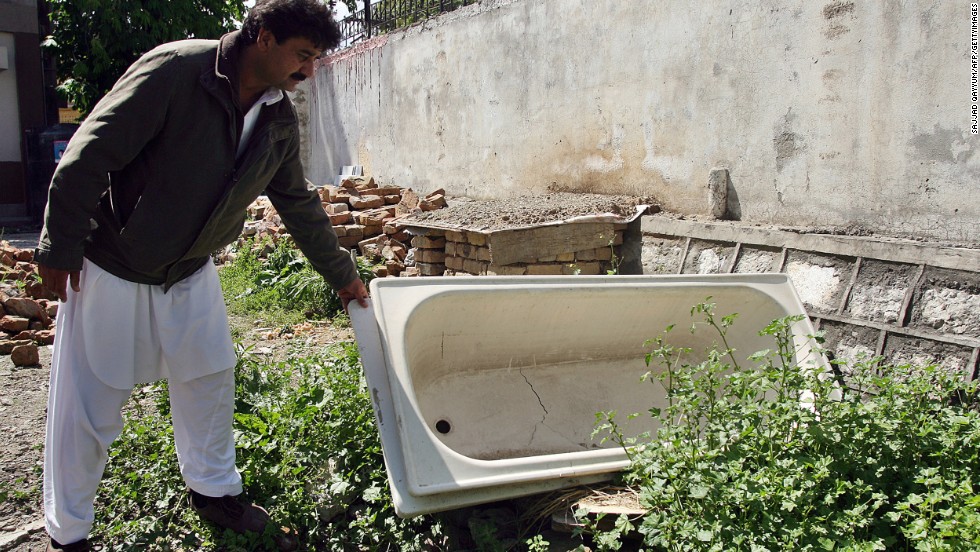










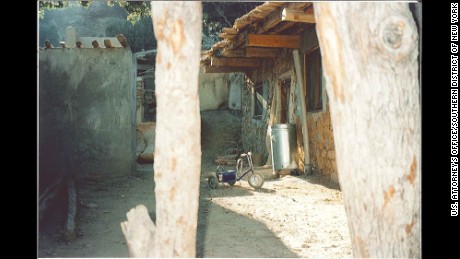





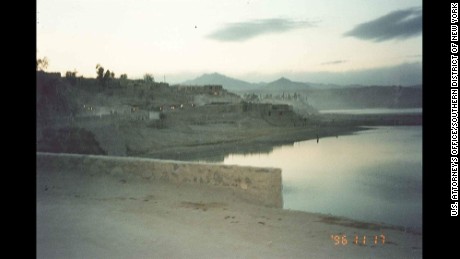



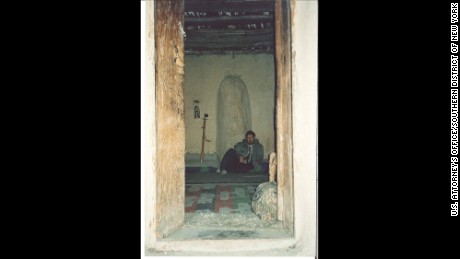


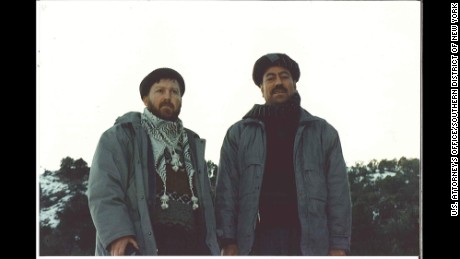

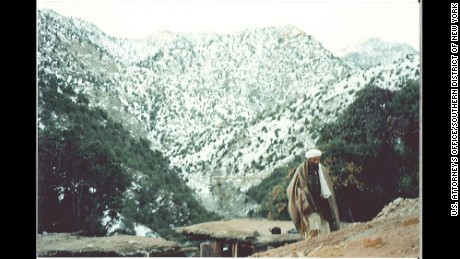










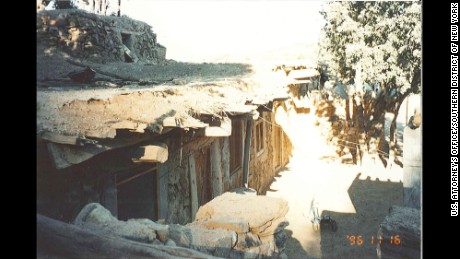

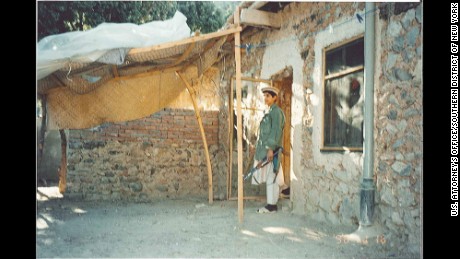
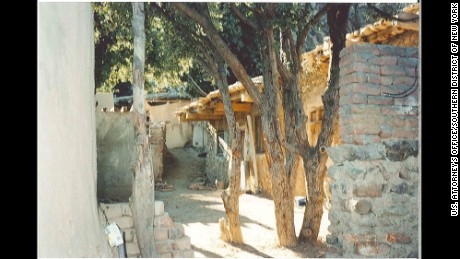
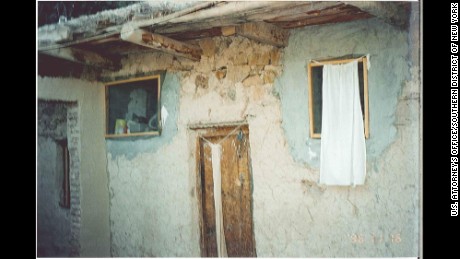
![32 OBL photos GX-2067-OBL-film[3]-57](http://i2.cdn.turner.com/cnnnext/dam/assets/150311130907-32-obl-photos-gx-2067-obl-film3-57-small-11.jpg)
![01 OBL photos GX-2067-OBL-film[3]-2](http://i2.cdn.turner.com/cnnnext/dam/assets/150311130503-01-obl-photos-gx-2067-obl-film3-2-small-11.jpg)
![34 OBL photos GX-2067-OBL-film[3]-59](http://i2.cdn.turner.com/cnnnext/dam/assets/150311130925-34-obl-photos-gx-2067-obl-film3-59-small-11.jpg)
![09 OBL photos GX-2067-OBL-film[3]-21](http://i2.cdn.turner.com/cnnnext/dam/assets/150311130608-09-obl-photos-gx-2067-obl-film3-21-small-11.jpg)
![37 OBL photos GX-2067-OBL-film[3]-62](http://i2.cdn.turner.com/cnnnext/dam/assets/150311130951-37-obl-photos-gx-2067-obl-film3-62-small-11.jpg)
![23 OBL photos GX-2067-OBL-film[3]-47](http://i2.cdn.turner.com/cnnnext/dam/assets/150311130757-23-obl-photos-gx-2067-obl-film3-47-small-11.jpg)
![24 OBL photos GX-2067-OBL-film[3]-48](http://i2.cdn.turner.com/cnnnext/dam/assets/150311130805-24-obl-photos-gx-2067-obl-film3-48-small-11.jpg)
![35 OBL photos GX-2067-OBL-film[3]-60](http://i2.cdn.turner.com/cnnnext/dam/assets/150311130935-35-obl-photos-gx-2067-obl-film3-60-small-11.jpg)
![10 OBL photos GX-2067-OBL-film[3]-23](http://i2.cdn.turner.com/cnnnext/dam/assets/150311130617-10-obl-photos-gx-2067-obl-film3-23-small-11.jpg)
![25 OBL photos GX-2067-OBL-film[3]-50-b](http://i2.cdn.turner.com/cnnnext/dam/assets/150311130812-25-obl-photos-gx-2067-obl-film3-50-b-small-11.jpg)
![06 OBL photos GX-2067-OBL-film[3]-17](http://i2.cdn.turner.com/cnnnext/dam/assets/150311130543-06-obl-photos-gx-2067-obl-film3-17-small-11.jpg)
![04 OBL photos GX-2067-OBL-film[3]-15-b](http://i2.cdn.turner.com/cnnnext/dam/assets/150311130526-04-obl-photos-gx-2067-obl-film3-15-b-small-11.jpg)
![11 OBL photos GX-2067-OBL-film[3]-25-b](http://i2.cdn.turner.com/cnnnext/dam/assets/150311130624-11-obl-photos-gx-2067-obl-film3-25-b-small-11.jpg)
![27 OBL photos GX-2067-OBL-film[3]-51](http://i2.cdn.turner.com/cnnnext/dam/assets/150311130828-27-obl-photos-gx-2067-obl-film3-51-small-11.jpg)
![28 OBL photos GX-2067-OBL-film[3]-52-b](http://i2.cdn.turner.com/cnnnext/dam/assets/150311130837-28-obl-photos-gx-2067-obl-film3-52-b-small-11.jpg)
![33 OBL photos GX-2067-OBL-film[3]-58](http://i2.cdn.turner.com/cnnnext/dam/assets/150311130916-33-obl-photos-gx-2067-obl-film3-58-small-11.jpg)
![21 OBL photos GX-2067-OBL-film[3]-44](http://i2.cdn.turner.com/cnnnext/dam/assets/150311130742-21-obl-photos-gx-2067-obl-film3-44-small-11.jpg)
![17 OBL photos GX-2067-OBL-film[3]-35](http://i2.cdn.turner.com/cnnnext/dam/assets/150311130709-17-obl-photos-gx-2067-obl-film3-35-small-11.jpg)
![03 OBL photos GX-2067-OBL-film[3]-10](http://i2.cdn.turner.com/cnnnext/dam/assets/150311130518-03-obl-photos-gx-2067-obl-film3-10-small-11.jpg)
![26 OBL photos GX-2067-OBL-film[3]-50](http://i2.cdn.turner.com/cnnnext/dam/assets/150311130821-26-obl-photos-gx-2067-obl-film3-50-small-11.jpg)
![05 OBL photos GX-2067-OBL-film[3]-15](http://i2.cdn.turner.com/cnnnext/dam/assets/150311130535-05-obl-photos-gx-2067-obl-film3-15-small-11.jpg)
![19 OBL photos GX-2067-OBL-film[3]-39](http://i2.cdn.turner.com/cnnnext/dam/assets/150311130726-19-obl-photos-gx-2067-obl-film3-39-small-11.jpg)

![16 OBL photos GX-2067-OBL-film[3]-34](http://i2.cdn.turner.com/cnnnext/dam/assets/150311130703-16-obl-photos-gx-2067-obl-film3-34-small-11.jpg)
![14 OBL photos GX-2067-OBL-film[3]-28](http://i2.cdn.turner.com/cnnnext/dam/assets/150311130647-14-obl-photos-gx-2067-obl-film3-28-small-11.jpg)
![12 OBL photos GX-2067-OBL-film[3]-25](http://i2.cdn.turner.com/cnnnext/dam/assets/150311130632-12-obl-photos-gx-2067-obl-film3-25-small-11.jpg)
![20 OBL photos GX-2067-OBL-film[3]-40](http://i2.cdn.turner.com/cnnnext/dam/assets/150311130734-20-obl-photos-gx-2067-obl-film3-40-small-11.jpg)
![18 OBL photos GX-2067-OBL-film[3]-38](http://i2.cdn.turner.com/cnnnext/dam/assets/150311130718-18-obl-photos-gx-2067-obl-film3-38-small-11.jpg)
![15 OBL photos GX-2067-OBL-film[3]-31](http://i2.cdn.turner.com/cnnnext/dam/assets/150311130655-15-obl-photos-gx-2067-obl-film3-31-small-11.png)
![22 OBL photos GX-2067-OBL-film[3]-47-b](http://i2.cdn.turner.com/cnnnext/dam/assets/150311130750-22-obl-photos-gx-2067-obl-film3-47-b-small-11.jpg)
สมัครสมาชิก:
บทความ (Atom)